
TECLEAN at the Canton Fair: Show Recap and Next Steps

1. The show has closed — thank you to every buyer who visited
The show has closed — thank you to every buyer who visited.
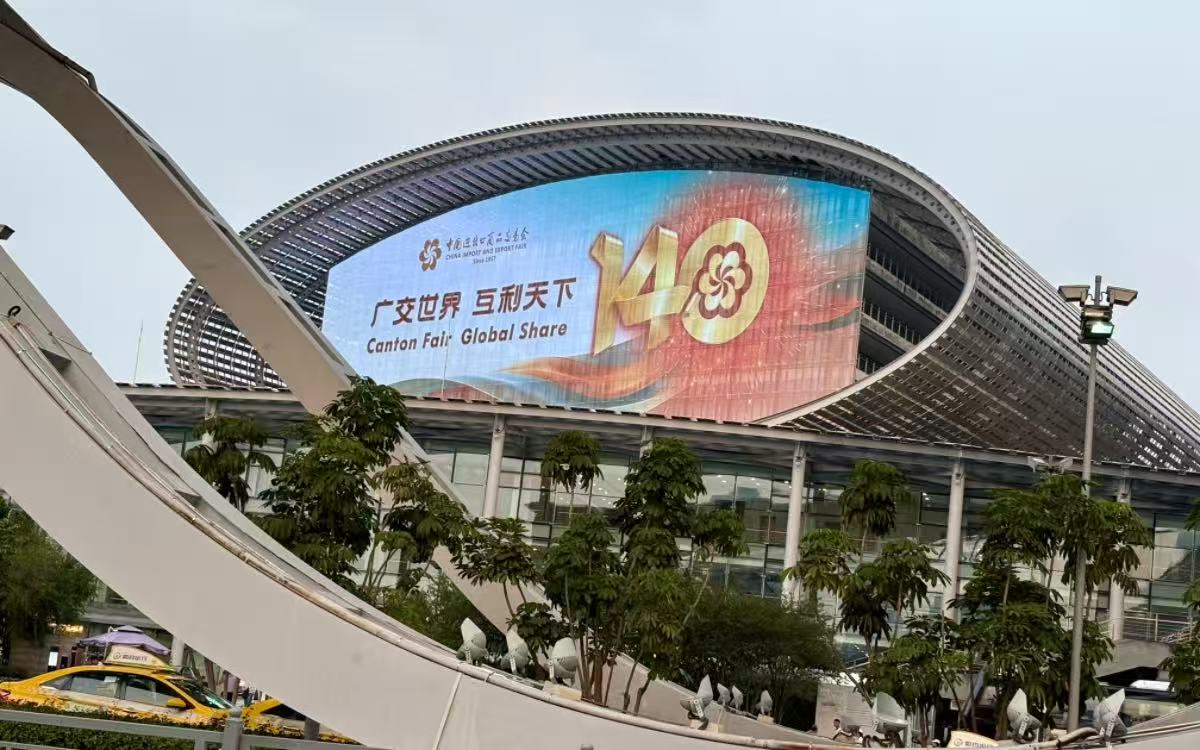
The Canton Fair closed on 4 November. Fujian Teclean Industrial Co., Ltd. wrapped up all scheduled meetings at the fair. We welcomed numerous buyers to our booth, where we focused on sample checking, fabric & construction confirmation and project requirement discussion.
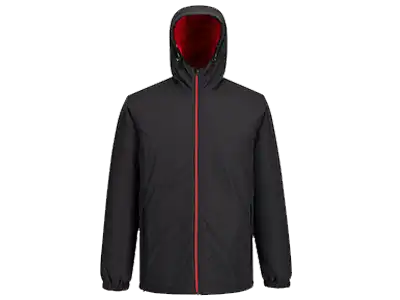
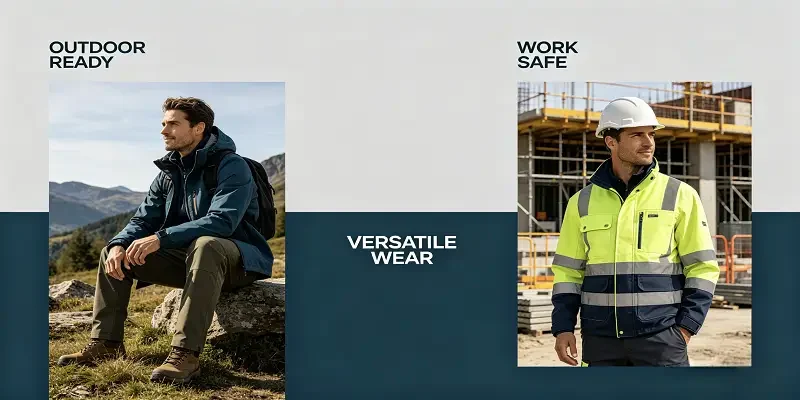
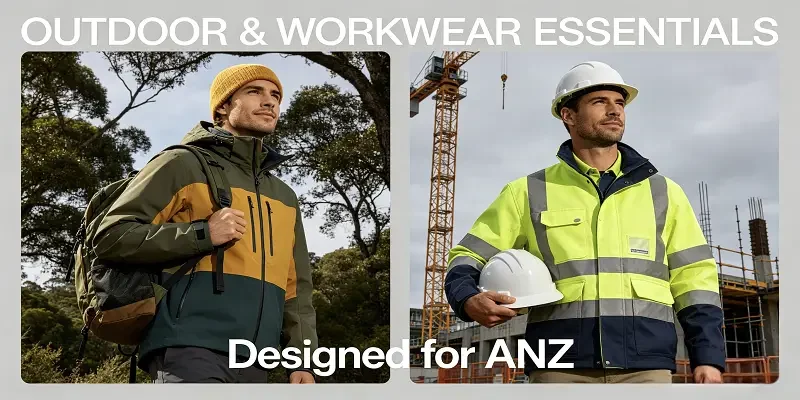
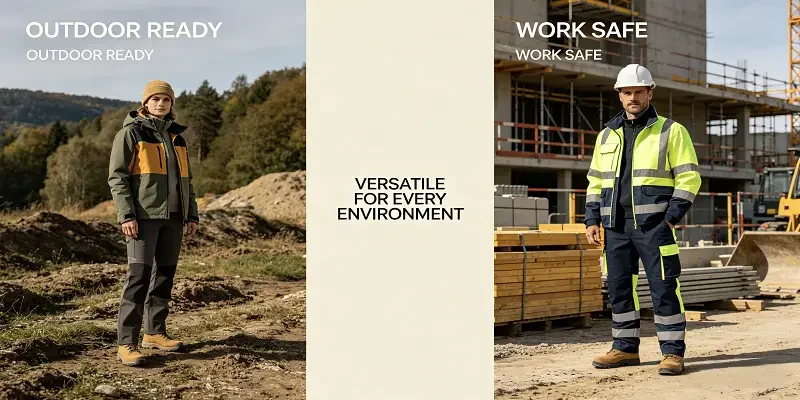
Our exhibited ranges included changing robes, windbreakers and workwear.
We received great interest for these items from buyers with diverse market demands.
2. Three product lines and what was discussed at the booth
2.1 Changing Robes
Changing robes drew the highest volume of enquiries. Buyer questions clustered around:
- Structure and style differences: plain shell with printed sherpa lining, printed shell with contrast panels, and plain-shell splice versions — buyers asked directly which version sells better and what the cost gap is
- Fabric and construction: Fabric and construction: buyers compared shell options of coated finish vs TPU membrane lamination. For heat-sealed styles, they asked about tape width, seam coverage and hydrostatic performance.
- Lining specification: whether a sherpa liner is included, at what weight, and how it affects packed volume
- End use: changing after swimming, surfing and open-water activity — buyers checked garment length and coverage at cuffs and hem
2.2 Windbreakers
Buyers asked how the jacket packs away and logo placement when packed. Windbreaker talks covered trims, handfeel & colour tolerance:
- Packaway construction: position and size of the packaway pocket, and where the printed branding sits on the pack bag
- Trim details: specification and placement of cord locks, toggle beads, eyelets and shock cord
- Hand feel and colour: buyers brought their own colour references to match; the gap between Pantone references and actual fabric shade was a recurring topic
- Lightweighting: balancing fabric weight against packed volume
2.3 Workwear
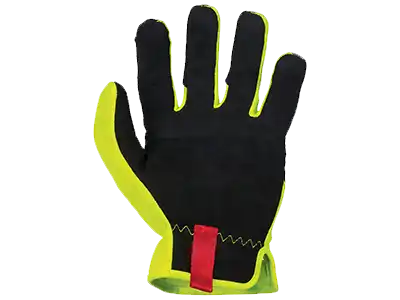
Workwear buyers focused on execution: fabric selection and reinforcement points for functional and protective use, colour and size-range coverage, and capacity and lead-time feasibility for bulk orders.
3. Technical questions raised at the booth
|
Topic |
What buyers asked / Key points |
|---|---|
|
Water resistance |
What spray rating is achieved; what water penetration limit applies; whether ISO 4920 / AATCC TM32 is required. |
|
Seam sealing |
Fully taped or not; tape width; whether critical seams (hood, shoulder, armhole) are covered. |
|
Environmental compliance |
REACH, OEKO-TEX 100, PPAP restrictions; recycled content and GRS documentation. |
|
Colour fastness |
Required grades for washing, water, rubbing and light. |
|
Dimensional stability |
Tolerance allowed after washing / laundering. |
|
Safety process |
Whether 100% needle inspection is applied; whether records can be provided. |
|
Trim compliance |
Needle-detention implications; material requirements for zips, cords, cord locks and eyelets. |
These are questions buyers raised — not commitments we have made publicly. For each style, which reports can be provided, to which standard, and covering which batch, must be checked against the model and the order before replying.
4. After the show: four steps
The show closing is not the end of the work. What determines the return on a trade fair is the month that follows. Four steps, in order of priority:
Step 1 — Days 0–3: get the records straight
If this step is skipped, everything downstream becomes chaotic.
- Enter business cards and registration sheets: log every card, handwritten sheet and new WeChat/WhatsApp contact into the customer sheet — company name, country, contact, job title, product categories, visit date, what was discussed, what was promised.
- Grade the leads:
- A: gave a specific style, quantity and target market; asked for a quote or sample on the spot
- B: clear product direction, but quantity and style not yet defined
- C: introductory conversation only, business card left
- Turn promises into a list: anything said on site — "I'll send it over", "we'll ship samples next week", "I'll quote you" — becomes a task with a date. Verbal promises made at a booth are where credibility is most easily lost.
- Archive photos and samples: booth photos, buyer reference garments and confirmed swatches, filed by customer name — all of it is needed for quoting and sampling later.
Step 2 — Days 3–10: first contact, no bulk mail
- Reply to A-grade buyers within 48 hours, individually: open with the specific detail discussed, e.g. "Regarding the printed-shell changing robe you looked at, here is how we have specified the fabric and construction." Do not send a single template to everyone— buyers receive dozens of post-show emails and recognise a template instantly.
- Follow up with B-grade buyers within 3–5 days: attach the relevant category catalogue and spec sheet, and propose one clear next step — a call, confirming the style direction, or arranging samples.
- Nurture C-grade buyers: no hard sell; add them to the quarterly update list.
- One ask per email: confirm the style, or request the quantity, or set up a meeting. An email with five questions gets no reply.
Step 3 — Weeks 1–4: convert enquiries into concrete action
- Clarify requirements: collect seven items — target style or reference garment, estimated quantity (first order and repeat separated), target market, compliance requirements, customisation scope (fabric/logo/size), required delivery date, and quote basis (trade term and destination port).
- Build the quotation: cost it line by line — fabric including wastage, trims (zips, cord locks, eyelets, webbing, labels, hangtags, polybags), processing difficulty (seam sealing, printing, embroidery), packing, inland freight, port charges, exchange rate and margin. A wrong price is very hard to recover from.
- Arrange sampling: once the style is confirmed, open a sample order, request fabric, match the colour reference and book sampling capacity. Register the courier tracking number when samples ship and send it proactively — do not wait for the buyer to chase.
- Testing and documents: map out which reports the buyer's market requires (water resistance, colourfastness, dimensional stability, PFAS, GRS and so on), and confirm testing slots and report turnaround. For GRS, distinguish between the scope certificate and batch transaction certificates — TC lead times are usually longer than buyers expect, so flag this early.
- Internal coordination: pass expected order volumes to capacity planning and trim/fabric supply early, so lead times do not collapse once the buyer confirms.
Step 4 — One month and beyond: review and nurture
- Review the show data: total visitors, qualified leads, A/B/C split, enquiry mix by category, quotes issued versus replies received, samples sent versus feedback received. These numbers decide whether the product mix changes for the next edition.
- Nurture unconverted buyers: quarterly updates on new styles and seasonal themes (season change, outdoor season, promotional periods) — present without intruding.
- Fix internal processes: list what this show exposed — completeness of materials, speed of quoting, sample readiness, consistency of messaging — and assign an owner to each item.
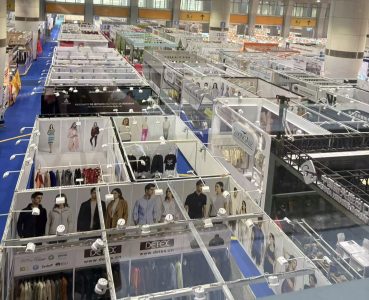
Apparel Hall Booths Overview
5. What we need to move your project forward
To cut down on back-and-forth, buyers are encouraged to send: target style or reference garment, estimated order quantity, target market and compliance requirements, customisation scope (fabric/logo/size), required delivery date, and quote basis (trade term and destination port). The more complete the information, the faster the quotation and sampling feedback.
We support custom fabric, logo and size development, and look forward to building long-term, stable partnerships with buyers worldwide.
Welcome global business cooperation!