
Custom Polo Shirt Fabrics Compared: Sorona®, Cotton Blend and Waffle Knit for Team Uniforms

Executive Summary
For corporate uniform procurement managers, brand distributors, and group purchasing directors across North America and Europe, selecting the optimal polo shirt fabric is fundamental to balancing brand aesthetics, wearer comfort, and long-term laundering durability. Enterprise uniforms must not only endure high-frequency wear and laundering but also maintain structure and colorfastness across diverse work environments—including corporate offices, field services, and trade show receptions. This technical sourcing guide provides a structured fabric evaluation framework comparing the performance metrics of Sorona® bio-based polymers, classic cotton blends, and waffle knits to assist buyers in engineering scalable OEM customization programs.
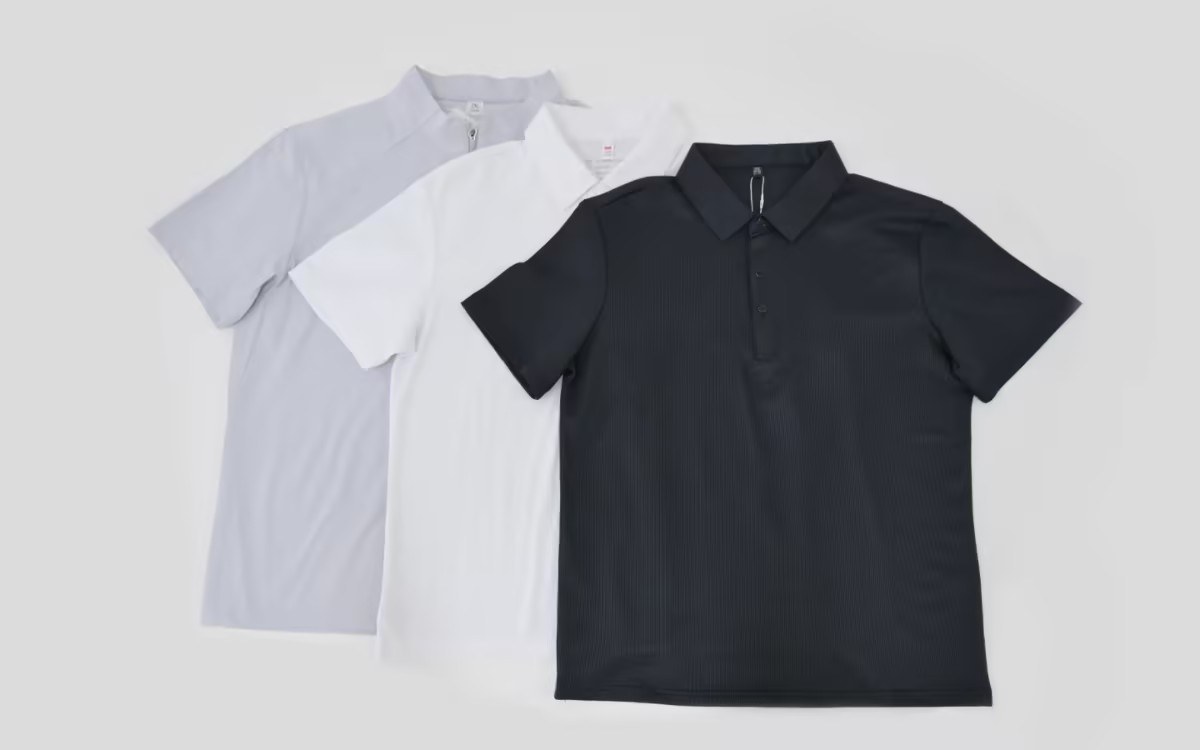
Selected LEAPY styles and a waffle-knit swatch for fabric evaluation.
1. Technical Evaluation of Three Core Polo Fabrics
Depending on specific enterprise deployment scenarios and budgetary frameworks, B2B buyers typically evaluate three primary fabric construction categories:
- Sorona® Bio-Based Fiber Blends: Synthesized partially from plant-based ingredients (37% bio-based material), Sorona® features a unique molecular architecture that delivers natural stretch and exceptional wrinkle recovery. Compared to elastane (spandex) blends, Sorona® fabrics demonstrate superior resistance to chlorine laundering and shape loss, maintaining structural integrity over extended use. Procurement managers should request colorfastness and post-wash dimensional stability reports from suppliers.
- Classic Cotton Blends (e.g., 65/35 or 60/40 CVC/TC):Combines the skin-friendly breathability of natural cotton fibers with the mechanical strength of synthetic polyester. Ideal for high-intensity, daily-wear corporate uniforms, offering moisture management, durability, and resistance to pilling. Specific blend ratios and GSM (such as 220 GSM options) must be verified against exact SKU fabric specifications.
- Waffle Knit (3D Textured Swatch Structure):Utilizes a 3D textured knit structure that creates micro-air pockets between the fabric and skin. This design significantly enhances airflow and moisture dispersal while imparting a refined, smart-casual textured appearance suitable for modern team uniforms. (Note: Physical swatches serve as structural references for evaluation prior to bulk order confirmation).
Compare surface textures alongside confirmed fiber composition and fabric weight.
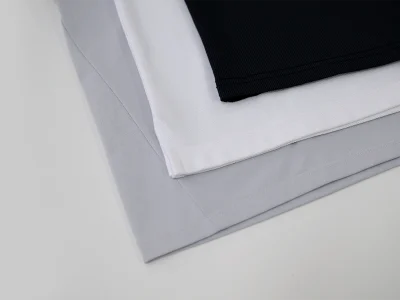
Compare surface textures alongside confirmed fiber composition and fabric weight
2. Collar Construction, Knit Density, and Durability Benchmarks
The service life of a corporate polo shirt relies not only on shell fabric selection but also on collar and cuff construction mechanics:
- Anti-Curl Ribbed Collars:Engineered using high-gauge ribbing combined with fused interfacing to prevent collar curling or edge deformation after repeated laundering. High-spec designs can incorporate elastic filament reinforcement upon technical review.
- Stitch Density and Seam Integrity: Structural seams should maintain 10–12 Stitches Per Inch (SPI) with anti-stretch seam tape along shoulder seams and armholes to prevent seam bursting under physical strain.
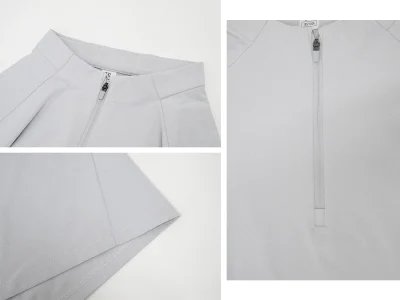
Inspect collar appearance, placket finish and stitching on SU 01
- Branding and Artwork Compatibility:Varied knit textures require specific decoration techniques. Flat jersey and fine piqué knits support high-definition heat transfers and detailed embroidery; 3D textures like waffle knits are better suited for high-density embroidery or felt patches, subject to style-level sample testing.
Inspect collar appearance, placket finish and stitching on the selected sample.
3. Corporate Uniform Polo Fabric Specification Comparison
The following configuration examples serve as indicative starting points for RFQ (Request for Quotation) discussions. Specific fabric weight (GSM), blend ratios, and test performance metrics are subject to style-level verification and buyer customization:
|
Fabric Category |
Recommended Fabric Spec (GSM) |
Core Performance Features |
Target Corporate Sourcing Applications |
|---|---|---|---|
|
Sorona® Innovative Blend |
180–210 GSM Sorona® / Cotton or Poly Blend |
Natural durable stretch, wrinkle recovery, easy care (Subject to third-party lab test verification) |
Trade shows, hospitality management, executive staff, field sales teams |
|
Classic CVC/TC Cotton Blend |
200–230 GSM (e.g., 65/35 or 60/40 Blend) |
High breathability, abrasion resistance, cost efficiency (Indicative configuration; custom dyeing supported) |
Plant supervisors, retail chain staff, logistics and delivery crews |
|
Breathable Waffle Knit |
190–220 GSM 3D Textured Blend |
Enhanced airflow, distinctive 3D texture, rapid dry comfort (Custom decoration evaluated per style) |
Outdoor team events, casual corporate uniforms, summer workwear |
4. Private-Label OEM & Custom Options
LEAPY® partners with global corporate uniform brands, distributors, and enterprise buyers to offer flexible OEM/ODM manufacturing solutions:
- Brand Identity Integration: Options include high-density logo embroidery, silicone chest badges, reflective printing, custom neck labels, and branded buttons on selected styles. Note that large-area embroidery or heavy patches must be evaluated to ensure fabric drape and breathability are not compromised.
- Modular Style Customization:Customized contrast collar piping, reinforced side-slit tape, sleeve pen pockets, and custom placket snap/button arrangements.
- Supply Chain & Production Infrastructure:To review our manufacturing facilities, production capacity, and quality assurance protocols, visit the LEAPY About Us Page. To understand our step-by-step OEM workflow from tech-pack evaluation to final shipment, explore the LEAPY Cooperation Process Guide.
Approve logo clarity and fabric appearance on a physical decoration sample.
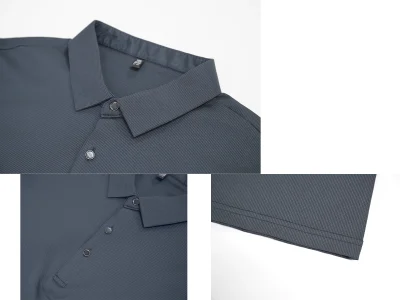
Inspect collar appearance, placket finish and stitching on NO 02
Technical Quality Control Checklist for Buyers
Prior to approving bulk production, procurement managers should verify the following quality metrics:
- Dimensional Stability & Colorfastness: Require test reports for colorfastness to laundering (ISO 105-C06) and dimensional stability (shrinkage limits verified per fabric lot and style specification).
- Pilling Resistance Ratings:For cotton blends and textured knits, audit pilling resistance test grades (ISO 12945-2).
- Sample Approval Window: Pre-production sample (PPS) development and trim verification timelines are evaluated case-by-case based on style complexity, fabric availability, and revision rounds.
Review fabric, fit and color requirements before confirming your polo order.
Buyer Checklist: Request Your Custom Polo Quotation
Planning a corporate uniform update or expanding your group procurement catalog? Submit your project requirements through our B2B team:
- Order Volume & Commercial Terms:MOQ, fabric inventory, color options, and delivery lead times are evaluated case-by-case based on specific style and colorway requirements.
- Technical & Fabric Specifications: Share target fabric weight (GSM), fiber preferences, and performance requirements (e.g., moisture-wicking, wrinkle resistance).
- Customization Package: Upload vector artwork for corporate logos, neck label artwork, and packaging specifications.
Submit a Sourcing Inquiry on the LEAPY Contact Page.
Frequently Asked Questions (FAQ)
1.What advantages does Sorona® fiber offer over traditional elastane (spandex) in corporate polo shirts?
Traditional elastane degrades over time when subjected to repeated industrial laundering, high-temperature drying, or exposure to body oils and chlorine, leading to garment sag and loss of shape. Sorona® features a unique "zigzag" molecular structure that provides inherent mechanical stretch. Because its elasticity stems from physical fiber geometry rather than chemical additives, Sorona® maintains its recovery performance and wrinkle resistance through extensive laundering cycles, significantly extending uniform lifecycle.
2.Is waffle knit fabric suitable for custom embroidered corporate logos?
Yes, provided appropriate technical adjustments are made. Because waffle knits feature a prominent 3D grid texture, small text or fine embroidery threads can sink into the fabric structure. We recommend applying a stabilization backing beneath the embroidery area or opting for high-density silicone heat transfers or felt badges to ensure sharp, legible brand presentation.
3.How are Minimum Order Quantities (MOQs) determined for custom polo shirt orders?
MOQs are primarily determined by whether your selected fabric uses factory stock colorways or requires custom Pantone dye lots. Orders specifying in-stock fabrics offer lower, more flexible MOQs. Projects requiring custom fiber compositions or specialty Pantone dyeing are evaluated case-by-case based on mill minimums during initial RFQ alignment.
4.Will classic CVC cotton blends suffer from severe shrinkage after laundering?
Standard CVC piqué fabrics undergo commercial pre-shrinkage finishing during textile processing to control dimensional stability within standard industry tolerances. For high-frequency corporate laundering, care labels should specify cold or moderate-temperature washing. Buyers can request fabric-lot shrinkage test reports prior to bulk production approval.
5.What is the standard lead time from sample confirmation to bulk delivery?
Sampling and mass production lead times are quoted case-by-case based on garment design complexity, fabric availability (stock vs. custom dye lots), and revision cycles. Rather than providing fixed timeline guarantees, our sales team confirms specific development and production schedules directly with buyers prior to order placement.