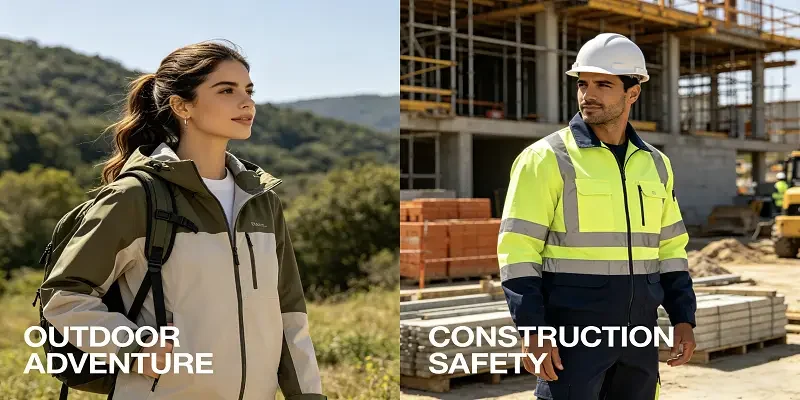

Sorona® Plant-Based Fabric: A Sustainable Solution for Protective Workwear OEM

Why Sustainable Materials Matter in Modern Workwear
Global distributors, retail brands and enterprise procurement teams are raising higher standards for workwear materials. Beyond basic protection and durability, buyers now prioritize eco-friendly raw materials, low-carbon production, comfortable wearing experience and complete sustainable supply chains.
Traditional synthetic fabrics rely heavily on petroleum-based raw materials with high carbon footprints, failing to meet corporate ESG requirements and consumer green demand. As a professional protective workwear supplier, Leapy integrates eco-performance fabrics into all product lines to deliver balanced functionality and sustainability for worldwide partners. Sorona® plant-based fabric stands out as our core material solution to resolve this industry dilemma.
What Is Sorona® Plant-Based Fabric?
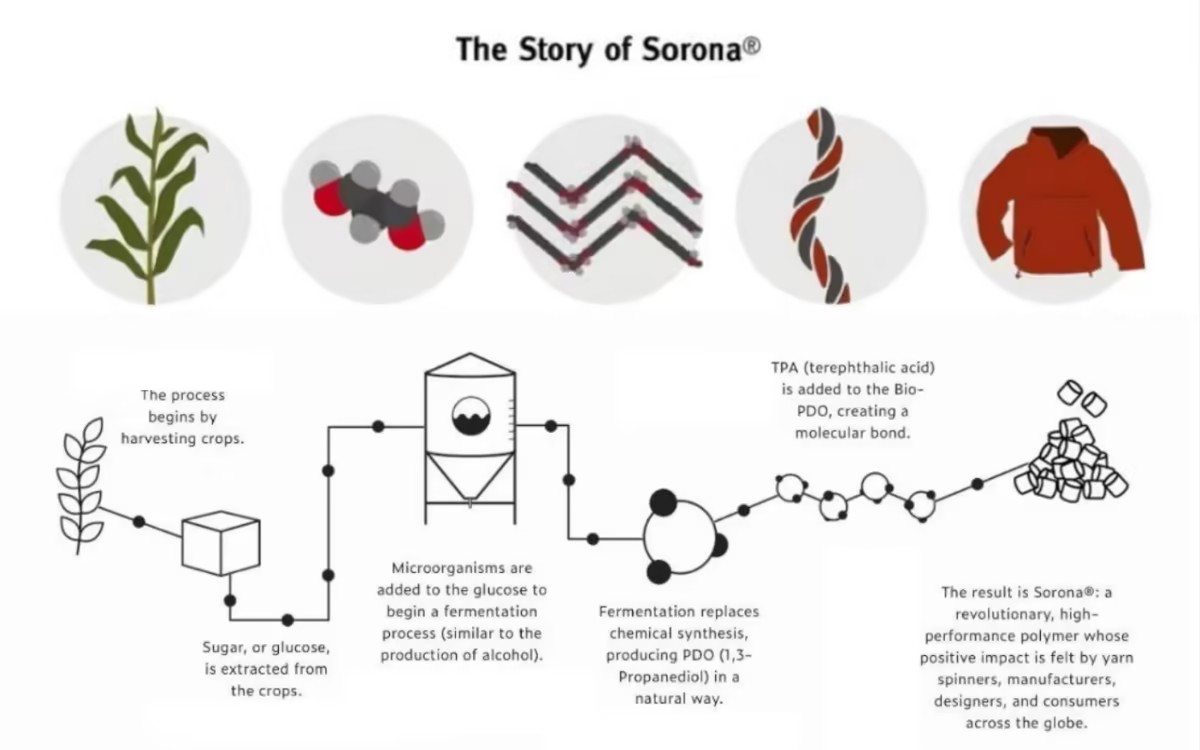
Sorona® fiber is produced via corn starch fermentation, featuring plant-derived ingredients as the core raw material. Compared with conventional nylon 6 materials, the production process of Sorona® effectively cuts energy input and lowers greenhouse gas emissions.
This bio-based material features inherent softness, stable elastic recovery and outstanding dyeing affinity. Unlike many eco-friendly textiles that sacrifice strength, Sorona® balances environmental friendliness and mechanical performance, making it highly adaptable for mass production of industrial uniforms, outdoor garments and PPE workwear.
How Sorona® Improves Protective Workwear Performance
When blended with recycled PET, Sorona® composite fabric delivers all-round upgraded performance for protective workwear. The composite material can be engineered to meet abrasion-resistance requirements based on project specifications and fabric testing, with stretching deformation kept at a low level for long-term shape retention. Its abrasion performance outperforms standard pure recycled PET textiles, resisting scratches and tearing in construction, field operation and other harsh working scenarios.
Fabrics remanufactured from retired protective workwear require performance verification in line with project standards and real usage scenarios, while retaining Sorona®’s reliable UV shielding and easy-clean properties. Oil stains can be simply wiped away, and the service lifespan can be extended significantly compared with regular workwear. What’s more, the composite textile fits standard polyester recycling systems to build a full closed-loop resource cycle.
We also adopt natural plant extracts including pine needles and gallnuts for dyeing. The eco dyeing process helps reduce water consumption and related wastewater treatment costs, while satisfying strict acid-alkali and sunlight color fastness standards. Every piece of workwear achieves low-carbon performance across raw material, weaving and coloring stages.
Applications in Outdoor Apparel and Seasonal Garments
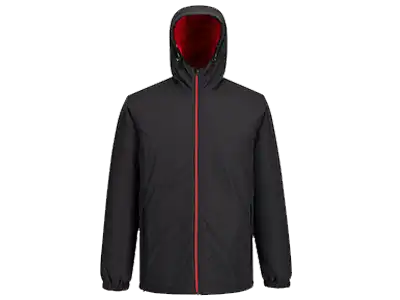
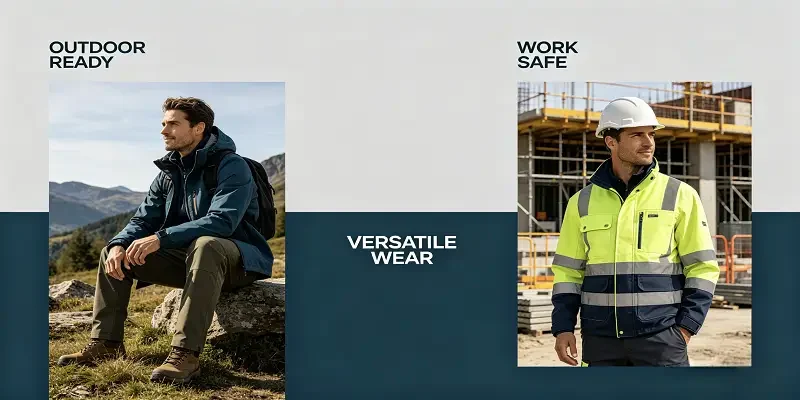
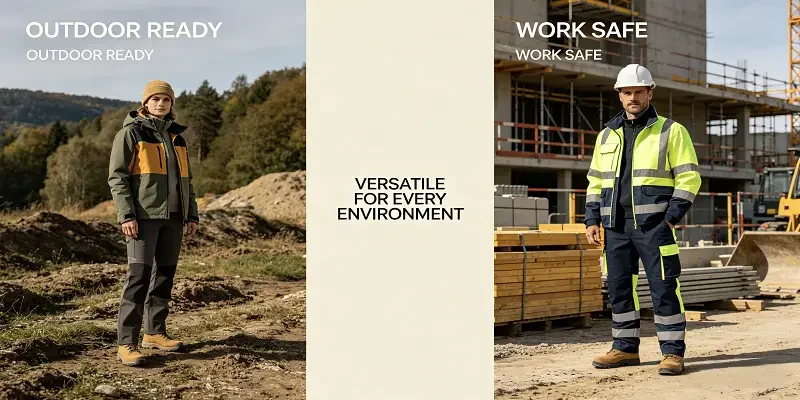
Sorona® composite fabric is widely adopted in Leapy’s full range of seasonal garments and outdoor collections, especially the Summit® series lightweight outdoor jackets and our signature Leapy® Sorona Half-Zip T-Shirt for Outdoor Activities. Recycled plastic waste can be integrated into this composite fabric’s raw material structure to help brands meet carbon reduction goals. Take our half-zip long-sleeve tee as an example: crafted with plant-derived Sorona fiber core material, it delivers reliable antibacterial performance, lasting elasticity, cool moisture-wicking and quick-drying performance. The practical half-zip placket enables easy adjustment and quick on-and-off. The lightweight, breathable and sweat-evaporating properties make all Sorona pieces ideal for corporate polo shirts, casual outdoor uniforms and all-weather outdoor protective apparel, matching diverse usage scenarios from office staff uniforms to field operation safety clothing.
Leapy OEM/ODM Solutions with Functional Fabrics
As a one-stop workwear manufacturer serving global resellers and regional partners, Leapy provides full Sorona® fabric customization OEM/ODM services. We support independent fabric supply, small-batch orders and tailor-made project workwear development. Our internal Advanced R&D Centre can adjust fabric ratios, functional coatings and color schemes according to clients’ target markets, whether for tropical high-UV environments or industrial anti-risk work scenarios.
Our complete production chain covers sample development, mass manufacturing and cross-border logistics. We can combine Sorona® plant-based textiles with our mature PPE workwear production system to launch exclusive sustainable uniform lines for your brand.
Conclusion
Sorona® plant-based fabric eliminates the trade-off between environmental protection and functional performance for protective workwear and outdoor apparel. It helps global buyers launch competitive, eco-compliant uniform products while fulfilling sustainable brand development goals.
Contact Leapy’s R&D and international sales team to develop customized Sorona® sustainable workwear or outdoor apparel for your regional market. Fabric test reports and samples are available upon request for qualified bulk orders, alongside flexible OEM cooperation plans.
Frequently Asked Questions (FAQ)
1.What green advantages does Sorona® plant-based fabric have over ordinary synthetic fibers?
Derived from fermented corn starch, Sorona® reduces energy use and carbon emissions during production versus traditional nylon. Combined with recycled PET waste plastic bottles, the finished fabric supports secondary recycling to realize full life-cycle carbon reduction for workwear products.
2.Can Sorona® composite fabrics withstand heavy-duty outdoor and construction work?
Fabric performance can be customized according to project testing standards. The material delivers reliable abrasion resistance, reliable UV shielding performance and easy-clean performance, perfectly suited for construction sites, outdoor engineering and all-day field work.
3.Does recycled fabric blended with retired workwear and Sorona® lose protective functions?
Final protective performance needs to be verified against the specific standards of each project. The re-spinning process preserves the base safety features of recycled protective textiles, with extra UV-resistant and sun-proof properties brought by Sorona®. The protective performance stays intact while the service life is greatly prolonged.
4.Will natural plant dyeing damage the color fastness of Sorona workwear?
Sorona fiber boasts excellent dye absorption, allowing natural plant pigments to bond firmly with fibers. Finished garments can meet rigorous sun and acid-alkali color fastness standards after professional treatment, while helping cut water consumption and sewage treatment expenses during dyeing.
5.Can brands purchase Sorona fabrics separately for independent uniform customization?
Leapy provides standalone fabric supply and full OEM/ODM finished garment customization. Fabric samples and complete official test reports are available for bulk orders from outdoor apparel brands and industrial protective workwear distributors worldwide.